

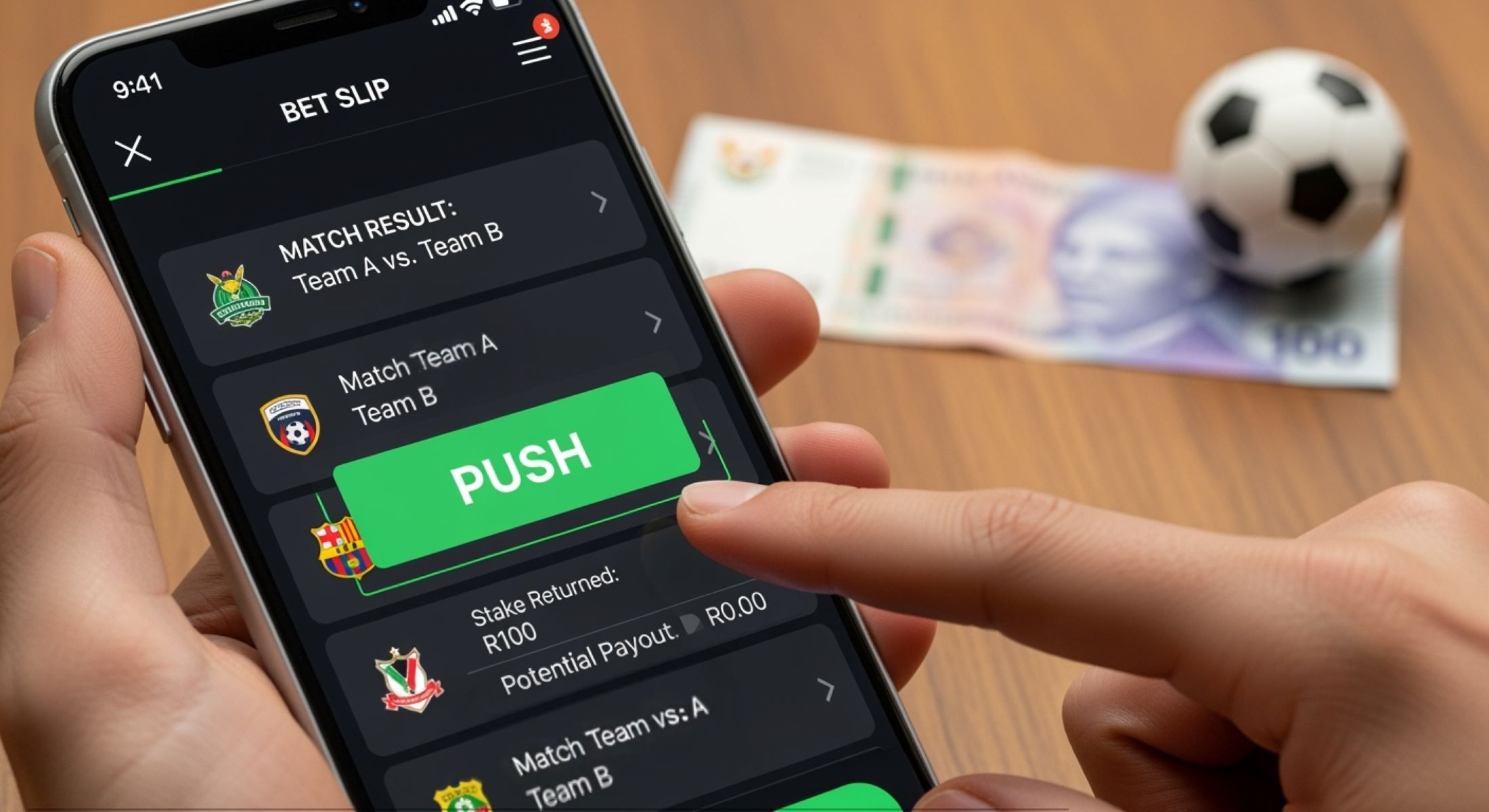
Betting in South Africa has grown massively over the last decade, with millions tuning in to sports events and placing bets every day. If you’re new or even a seasoned bettor, you might have come across the term “push” when checking your bet results. But what does it mean? And why do some bets end up being paid as a push? Let’s dive into the world of South African betting and clear the fog around this often misunderstood term.
Betting Terminology in South Africa
When you start betting in South Africa, understanding the common terminology is crucial. South African betting markets use terms familiar worldwide but also have local nuances based on regulations and popular sports. For example, terms like “stake,” “odds,” and “wager” are universal, but how bets are settled, especially when it comes to “push” results, can sometimes differ depending on the bookmaker and regulatory environment. Knowing these terms helps you place smarter bets and manage expectations about outcomes and payouts.
The most commonly used betting terms in South Africa include moneyline bets (betting on the outright winner), point spreads (betting on the margin of victory), and totals or over/under bets (betting on combined points or goals). Each type has its own rules and potential for outcomes like wins, losses, or pushes. Understanding these will also help you navigate South African bookmakers’ platforms with ease and avoid confusion when your bet slips show unusual terms or results.
What Does “Push” Mean in Betting
Simply put, a “push” occurs when a bet neither wins nor loses. It’s like a draw or tie in sports — nobody wins, nobody loses. In betting terms, this means your original stake is returned to you, but you don’t gain any profit. Imagine it as hitting a pause or reset button on your wager; your money comes back safe, but the bet essentially cancels out.
In South Africa, this concept is very important because many bettors expect a clear win or loss. Pushes often happen when the final score or outcome lands exactly on the bookmaker’s predicted line. Instead of losing your stake, you get it back, which can feel like a break when a close game doesn’t swing fully in either direction. It’s a built-in protection mechanism that prevents unfair losses when outcomes are razor-thin.
Concept of a “Push” Bet
A “push” bet is a unique outcome in sports betting where the result neither favors the bettor nor the bookmaker. This happens when the final score or result exactly matches the line or point spread set by the bookmaker. In this scenario, the bet is considered a tie or draw in betting terms, meaning the bettor’s stake is returned in full without any profit or loss. It’s like pressing the pause button on your wager, giving you a chance to try again without financial penalty.
The push serves an important purpose in maintaining fairness in betting markets, especially in bets involving point spreads or totals where the outcome can land precisely on the bookmaker’s set number. Instead of forcing a win or loss in these borderline cases, a push acknowledges the closeness of the contest and refunds the money to the bettor. This protects players from losing money in highly uncertain or razor-thin results.
Push vs. Win vs. Lose – What’s the Difference
Understanding the difference between a push, a win, and a loss is essential for every bettor to keep track of their betting results and manage expectations effectively. Here’s a breakdown:
- Win: You predict the outcome correctly. Your stake is returned, plus you receive your winnings based on the odds.
- Lose: Your prediction is incorrect. You lose the entire stake to the bookmaker.
- Push: The outcome matches the bookmaker’s set line exactly. You do not win or lose; your original stake is simply returned.
This distinction matters because it influences your bankroll management and your perception of success or failure in betting. While wins increase your balance and losses decrease it, a push keeps your balance stable, acting like a “neutral” result.
Examples of Push Outcomes in Sports Betting
To illustrate what a push looks like in practice, consider the following examples common in South African sports betting:
- Rugby Point Spread Example:
You bet on a rugby team with a point spread of +3.5 points. If that team wins the match outright or loses by 3 points or fewer, you win your bet. But if the spread was set at +3 points and your team loses by exactly 3 points, the bet results in a push. This means you neither win nor lose your stake — it is returned to you. - Soccer Total Goals Example:
You wager on the total goals in a soccer match being over 2 goals. If the final score is 3-1 (4 goals total), you win. But if the bookmaker’s total was set exactly at 3 goals and the match ends 2-1 (3 goals), this triggers a push, and your stake is refunded. - Cricket Runs Total:
In cricket betting, if you bet on the total runs to be under 250 and the innings ends exactly at 250 runs, that results in a push, meaning your stake is returned.
Push outcomes remind bettors that sports can be unpredictable and sometimes perfectly match betting lines, making push bets a common part of the betting landscape in South Africa and worldwide.
Why Push Bets Occur in South African Betting Markets
The Role of Bookmakers and Betting Rules
Bookmakers play a crucial role in shaping betting markets by setting the odds and lines that bettors wager on. Typically, bookmakers try to avoid push outcomes by using half-point spreads (e.g., 3.5 points instead of 3) or decimal lines that make an exact tie impossible. This is a strategy designed to ensure that every bet results in either a win or a loss, simplifying the settlement process and avoiding refunds. However, in South Africa, push bets still occur despite these efforts due to the particular way betting markets are structured and the influence of local betting rules.
South African bookmakers must also consider the preferences and behaviors of their local customer base, who often bet on popular sports with tight scoring margins. Additionally, the way odds are presented and the kinds of bets offered sometimes necessitate whole-number lines, which increase the likelihood of push results. Bookmakers have to balance the desire to minimize pushes with offering bet types that attract customers, which can sometimes mean allowing push outcomes as part of their overall risk management and customer satisfaction approach.
Legal and Regulatory Framework Impacting Push Bets
The South African betting industry is governed by a strict regulatory environment overseen by bodies such as the National Gambling Board (NGB) and various provincial gambling authorities. These regulators ensure that betting operators maintain transparency, fairness, and responsible gambling standards. As part of this, the rules for settling bets—including when a push occurs—are clearly defined to protect both the bettor and the bookmaker. This regulatory framework influences how bets are structured and settled, sometimes mandating specific rules about push outcomes to ensure consumer protection.
Because push bets result in the return of stakes rather than wins or losses, regulators view them as a fair way to resolve bets when outcomes are too close to call definitively. The legal guidelines often require bookmakers to disclose their push policies upfront and settle these bets transparently, fostering trust in the market. However, this also means that push outcomes are more frequent in South Africa compared to some international markets where push bets may be avoided through more complex betting lines or voided bets.
| Factor | Description | Impact on Push Bets | Example |
| Bookmaker Line Setting | Use of whole or half points to set lines | Half points reduce pushes; whole points increase pushes | Spread set at +3 points can lead to push |
| Customer Betting Preferences | Popular bet types on close-margin sports | Increased push likelihood in tight games | Rugby games with narrow score differences |
| Regulatory Requirements | Legal rules for bet settlement and transparency | Push results mandated for fairness | National Gambling Board rules on bet refunds |
| Market Structure & Competition | Balance between avoiding pushes and offering popular bets | Pushes accepted to maintain customer interest | Offering totals with whole-number lines |
Popular Sports and Push Bets in South Africa
Soccer Betting and Push Outcomes
Soccer is one of the most popular sports for betting in South Africa, and push bets frequently occur in this market, especially with totals or over/under bets. When bettors wager on the total number of goals scored in a match, the bookmaker sets a line such as 2.5 or 3 goals. If the match ends with a number of goals exactly equal to the line set (e.g., exactly 3 goals when the line is 3), this leads to a push. In this case, bettors receive their stake back instead of winning or losing, which can be both a relief and a disappointment depending on expectations.
Pushes in soccer betting occur because goal scoring is often low and tightly distributed, making exact matches to betting lines fairly common. This means bettors should be aware that choosing bets with whole-number totals increases the risk of a push. Many South African bookmakers try to mitigate this by offering half-goal lines (like 2.5 goals) which eliminate pushes, but whole-number lines remain popular for their simplicity and ease of understanding among casual bettors.
Rugby and Cricket – How Push Bets Work in These Sports
Rugby and cricket are two other major sports in South Africa where push bets often appear due to the nature of the scoring and betting lines. Rugby betting frequently uses point spreads to even the playing field between teams. Because rugby matches can be decided by a single converted try (5 points plus 2 points for conversion), betting lines are often set on whole numbers, making pushes a common outcome when the final margin matches the spread exactly.
In cricket, totals or “runs” bets are popular, where bettors wager on whether the total runs scored by a team or in an innings will be over or under a set number. Since cricket scores can end on exact whole numbers, push bets occur when the final runs tally exactly matches the bookmaker’s total line. These sports’ scoring systems, combined with the betting market’s preference for whole numbers, make push bets a frequent and important aspect of sports betting strategies in South Africa.